
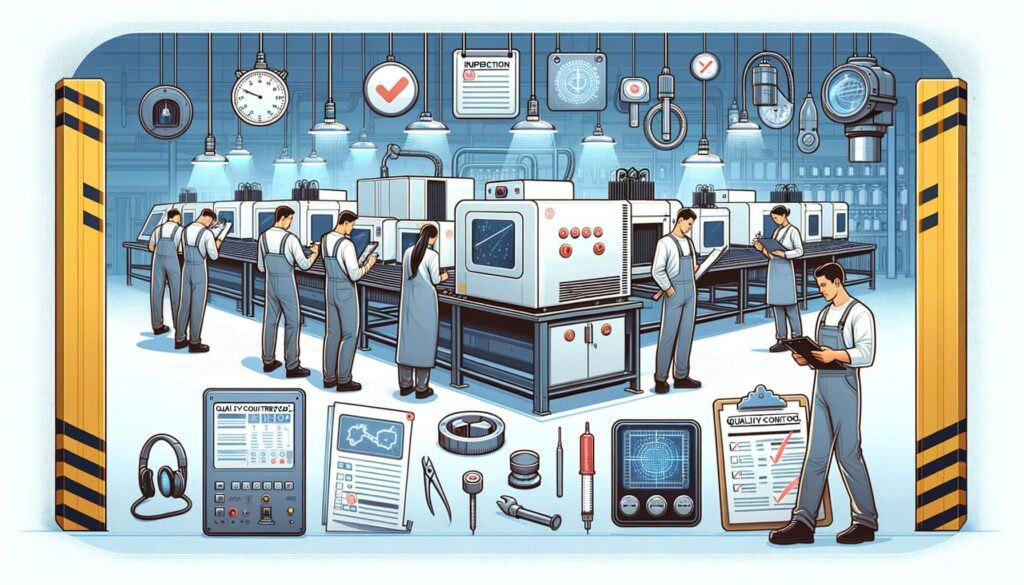
In the intricate world of laser marking machines, mastering quality control is pivotal. As an industry expert, I’m here to unravel the secrets of ensuring top-notch quality in every step of the manufacturing laser cutting process. Dive into this guide to discover how meticulous quality control can elevate the performance and reliability of laser marking machines, enhancing your business operations.
Quality control in laser marking machine production involves systematic monitoring at every stage – from sourcing raw materials, to final assembly. It includes rigorous testing of laser beams, calibration, and ensuring the precision of the marking process to guarantee consistent and high-quality output.
Join me as we explore the detailed steps and best practices in ensuring the highest standards of quality control in laser marking machine production. Together, we’ll uncover the intricacies of each stage, from component selection to final product testing, to help you make informed decisions.
1. Why is Quality Control Crucial in the Production of Laser Marking Machines?
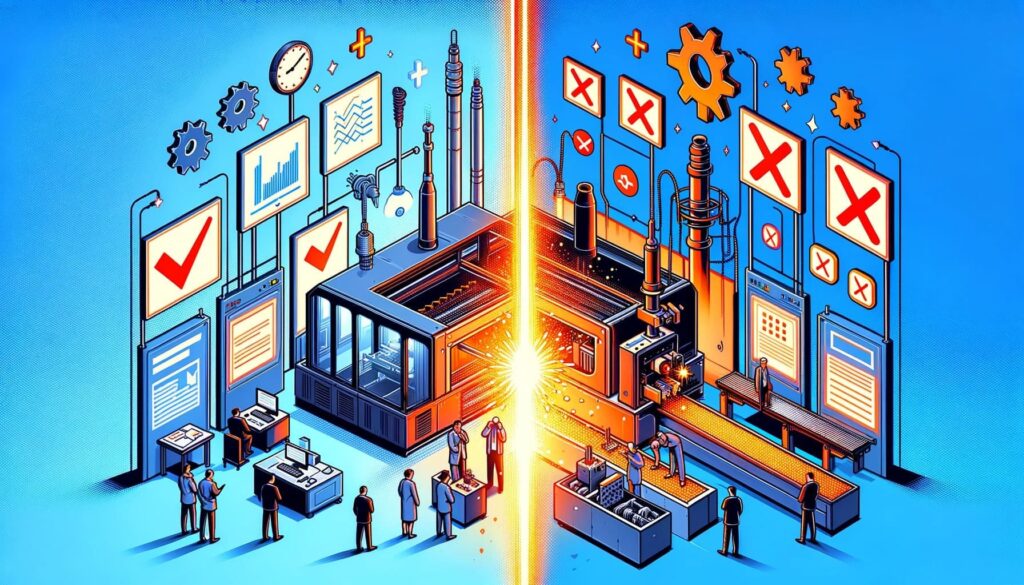
Understanding the Importance of Quality Control in Laser Machine Manufacturing
Hey there, let’s talk about why quality control (QC) really matters when it comes to producing laser marking machines. It’s like making a gourmet dish – you need the right ingredients, in the right amounts, prepared perfectly to get that top-notch result. In laser machines, QC is the recipe for ensuring every machine works just like it should.
The Role of Quality Control in Ensuring High-Performance Machines
Now, if you’re wondering, “Why all this fuss about quality control?” Well, it’s simple. Imagine you’ve got a machine that’s supposed to etch the finest details, but oops, it blurs lines like a sleepy artist! That’s a no-go in our book. Quality control steps in to ensure that every part of the machine, from the tiniest screw to the laser beam itself, is in top shape, guaranteeing the machine does its job with the precision of a Swiss watch.
Quality Control and Customer Satisfaction
And let’s not forget, happy customers are the cornerstone of any business. When a machine passes through rigorous quality checks, it means fewer headaches for the user and fewer complaints flooding your inbox. It’s like ensuring every piece leaving your factory is a five-star product, ready to impress. Quality control might seem like extra work, but it’s what keeps your customers coming back for more. It’s the secret sauce to building trust and reputation in the laser world.
2. What is the Production Process of a Laser Marking Machine?
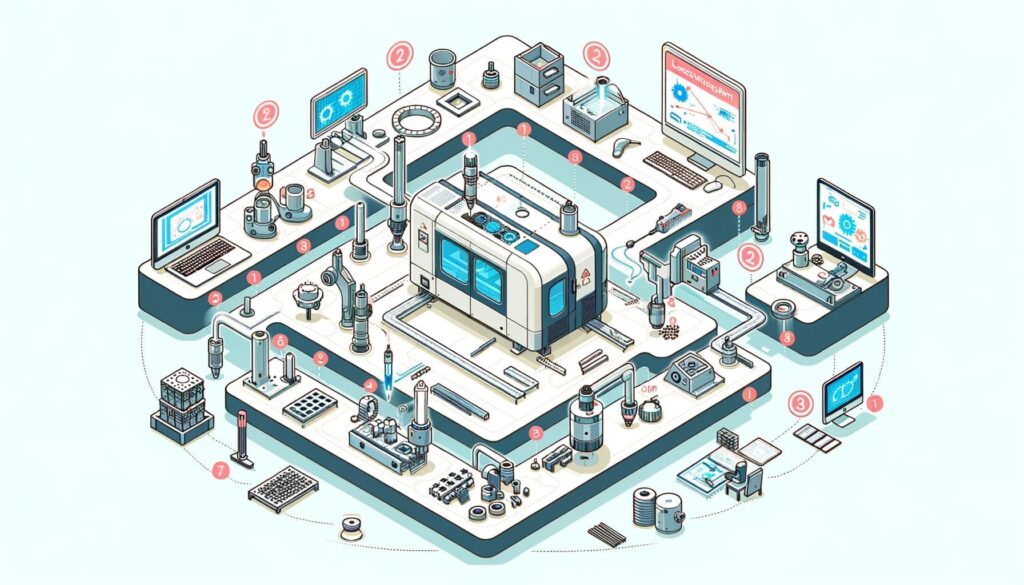
Blueprint to Reality: Crafting a Laser Marker
Picture this: a laser marking machine starts as a brilliant idea, a blueprint that’s about to go on an epic journey. It’s like a recipe, with a dash of innovation and a sprinkle of technology. First, there’s the design phase, where tech wizards brainstorm, pushing the boundaries of ‘what if’. They sketch, model, and simulate – transforming ideas into a tangible design. It’s where imagination meets engineering.
From Parts to Perfection: The Assembly Saga
Now, enter the world of assembly – it’s like a high-tech Lego session, but cooler. Here, every component, from the smallest screw to the heart of the machine – the laser source, is meticulously put together. Imagine the precision of a Swiss watchmaker, that’s us with every part. This stage is where the magic happens, turning a bunch of parts into a sleek, mean marking machine.
The Final Countdown: Testing and Quality Checks
The grand finale? Testing! It’s not just about pressing buttons and seeing if it lights up. We put our machines through the gauntlet – stress tests, performance evaluations, and more. It’s like a boot camp to ensure they’re tough, reliable, and ready for action. Only the best make the cut. After all, sending out a half-baked machine? That’s a big no-no in our books.
3. The Role of the Laser Source in Quality Control
Precision and Accuracy
The laser source in marking machines is like the precision expert. It ensures every mark, from barcodes serial numbers to designs, is accurate and precise, just like an artist with a light brush.
Consistent Quality
Thanks to the laser source, every mark on the material is consistently uniform. It’s process control, like ensuring every cookie in the batch is perfectly round and crispy.
Material-Specific Lasers
Different materials need different lasers. Fiber lasers are great for metals, UV lasers for sensitive materials like plastics, and CO2 lasers for organic materials like wood. The right laser power source choice means perfect, high-quality marks for each material type.
4. How to Ensure Beam Quality During Laser Marking?

Calibration and Maintenance:
Ensuring beam quality in laser marking begins with routine calibration and maintenance. Just like tuning a guitar for a perfect pitch, we fine-tune our lasers. This involves checking alignment, cleaning lenses, and occasionally replacing parts that are like the unsung heroes of our laser world.
Technology and Equipment Upgrades:
Technology is always marching forward, and so do we. Upgrading to the latest laser technology and equipment is like switching from an old TV to the latest 4K model – the difference in quality is stark. These upgrades help maintain a consistent and high-quality beam.
Expert Monitoring:
Lastly, expert monitoring is crucial. Think of it like having a skilled conductor for an orchestra. Our technicians monitor the laser parameters and make real-time adjustments, ensuring that the laser beam dances perfectly on the material’s surface, creating precise and clear markings every time.
5. When producing laser marking machines, which mechanical components require special attention?
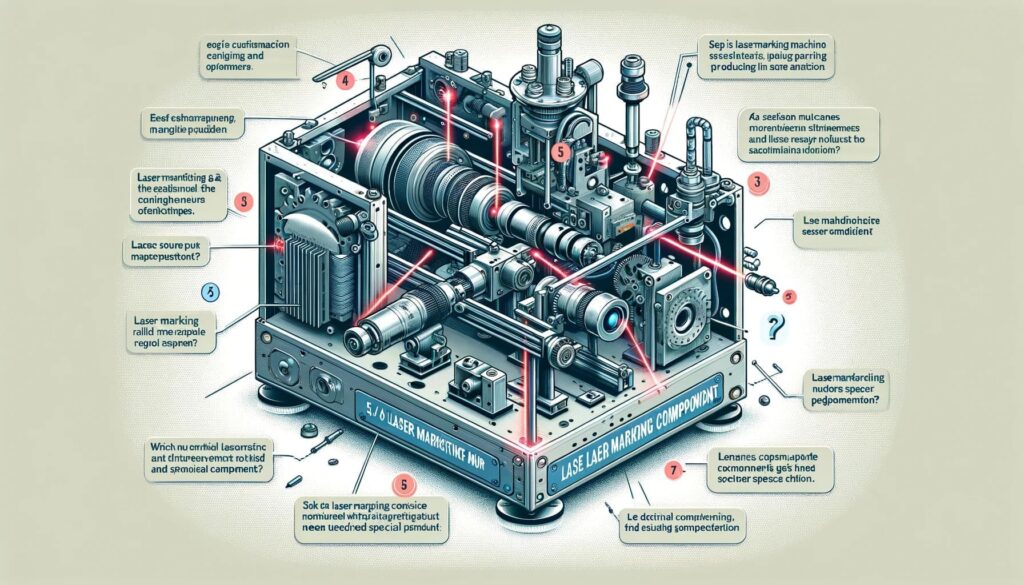
The Laser Source: The Heart of the Machine
In the world of laser marking, the laser source is like the heart of the machine. It’s crucial to choose one that’s not just powerful but reliable. Whether it’s a fiber, CO2, or UV laser, each has its own role, like actors in a play, perfect for different marking scenarios.
Scanning System: The Precision Navigator
Next up is the scanning system. Think of it as the GPS of our machine. It guides the laser beam with incredible precision, ensuring every mark is right where it needs to be. High-quality galvanometers in the scanner are like seasoned pilots, expertly navigating the laser beam on its marking journey.
Control System: The Brain Behind the Operation
The control system is the brain of the operation. It’s where all the magic happens, coordinating between the laser and the scanner. This system needs to be top-notch, like having a genius commander who makes split-second decisions with impeccable accuracy.
Cooling System: The Unsung Hero
Lastly, the cooling system might not get all the glory, but it’s like the diligent backstage crew in a theater. It keeps everything running smoothly and prevents overheating, ensuring that our laser marking show goes on without a hitch.
Every component in a laser marking machine plays a pivotal role, like a well-orchestrated metal symphony, each part in harmony to create the perfect mark.
6. How Does the Software and Control System of a Laser Marking Machine Impact the Final Product Quality?
Software Precision and Adaptability
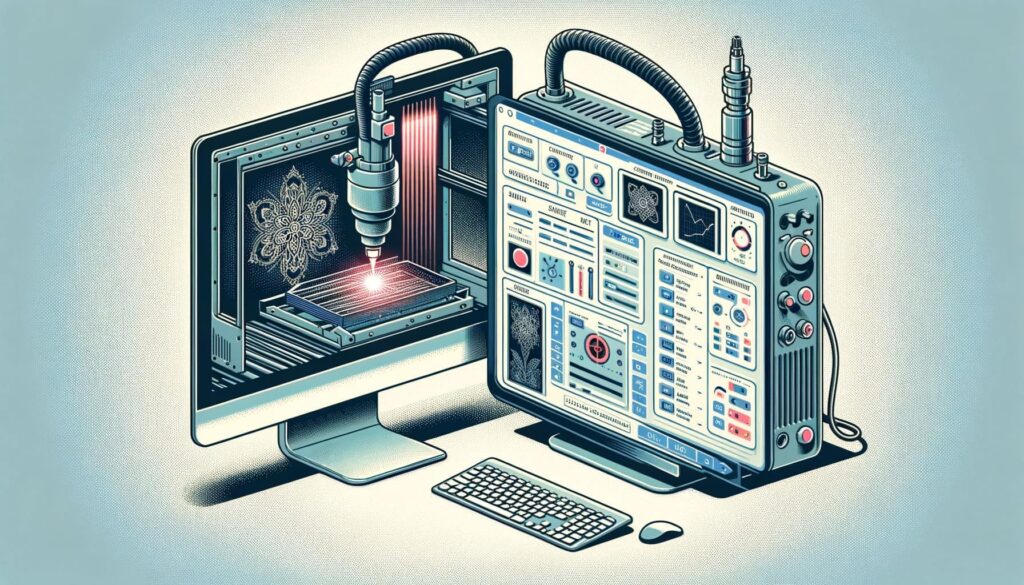
Laser marking machines rely heavily on software for precision. It’s like the brain of the operation, guiding the laser beam accurately. The software adjusts parameters like speed, power, and focus to suit different materials and designs. This adaptability ensures each mark is crisp and consistent, essential for high-quality outcomes.
Control System: The Heartbeat of Laser Marking
The control system is the heartbeat of a laser marking machine. It synchronizes the laser’s movements with the software’s instructions, ensuring smooth operation. A high-quality control system maintains steady laser intensity and speed, crucial for uniform marking quality across various materials and intricate designs.
Impact on Final Product Quality
The interplay between software and control systems in laser marking machines directly impacts the final product’s quality. Precision in these systems means fewer errors and higher consistency in marking, leading to produce a superior final product. Whether it’s intricate designs or bulk orders, the software and control system’s efficiency is pivotal in delivering top-notch quality.
7. How to Test the Performance and Accuracy of a Laser Marking Machine?

Preparing for the Test
Before jumping into performance testing, it’s crucial to ensure the laser marking machine is precisely calibrated. This preparation phase involves checking the laser beam alignment and position, cleaning the focusing lens, and confirming the machine settings are correctly adjusted for the material you’re working with.
Conducting Performance Trials
Performance testing involves running a series of marking tasks, ranging from simple to complex designs. This step assesses the machine’s speed, precision, and consistency in marking high quality products. It’s akin to putting the machine through a stress test to see how well it performs under different conditions.
Evaluating Marking Accuracy
Accuracy assessment requires close attention to detail, measuring even the smallest deviations in marking depth and dimensions. Specialized tools like micrometers or high precision still cameras are often used to capture and analyze these fine details, ensuring the laser marker meets stringent accuracy standards.
8. Quality Review Before Packaging and Shipping Laser Marking Machines
Before packaging, we thoroughly inspect each laser marker. We check for wear, test all parts, and ensure the laser’s precision. It’s a rigorous process to guarantee high quality marking the machine’s top-notch condition.
We run each machine, testing its engraving accuracy and component functionality. This step is like a performance validation, ensuring the machine is fully operational and meets our high standards.
After passing all tests, the machine is securely packed, ready for shipping. We take extra care in packaging to ensure it arrives in perfect condition, ready for immediate operation.
9. Conclusion: Selecting a Manufacturer with a Strong Emphasis on Quality Control

Evaluating a Manufacturer’s Commitment to Quality
In choosing a laser marking machine manufacturer, manufacturers prioritize their commitment to quality control. A reliable manufacturer should have a clear, detailed process for ensuring product quality, from precise component selection to rigorous final testing. They should be transparent about their manufacturing practices and willing to discuss how they maintain high standards throughout the production process.
The Long-Term Benefits of Quality-Focused Selection
Opting for a manufacturer that prioritizes quality control may require a higher initial investment, but it pays off in the long run. A machine from such a manufacturer is likely to have fewer operational issues, lower maintenance costs, and a longer lifespan. Moreover, additionally, they often provide comprehensive after-sales support and service, ensuring any issues are promptly and effectively resolved. Ultimately, a quality-centric approach leads to greater reliability and efficiency in your laser marking operations.